Iron Deficiency: Causes, Symptoms & Natural Solutions
A Complete Guide to Restoring Energy and Vitality Iron deficiency is the most common nutritional deficiency worldwide. Yet it often goes unnoticed for years. Persistent fatigue, brain fog, hair thinning, feeling cold all the time or shortness of breath are not things you should normalize. Your body may simply be lacking iron.
NATUREL
VertQi.Cloud
1/18/20262 min temps de lecture
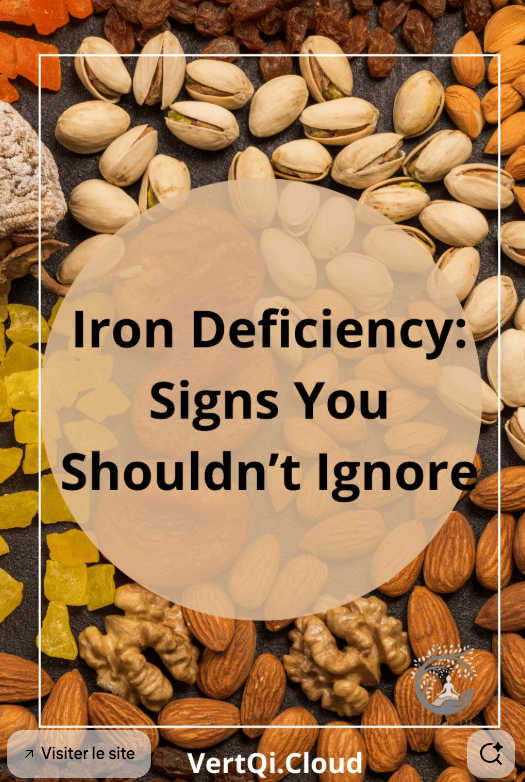
🩸 Iron Deficiency: Causes, Symptoms & Natural Solutions
A Complete Guide to Restoring Energy and Vitality
Iron deficiency is the most common nutritional deficiency worldwide. Yet it often goes unnoticed for years.
Persistent fatigue, brain fog, hair thinning, feeling cold all the time or shortness of breath are not things you should normalize. Your body may simply be lacking iron.
🔬 Why Is Iron So Important?
Iron allows oxygen to circulate throughout the body. It is essential for hemoglobin production, muscle oxygenation, energy synthesis, brain function, immune defense and hormone production.
Without sufficient iron, cells struggle to produce energy efficiently.
⚖️ Iron Deficiency vs. Iron-Deficiency Anemia
Iron deficiency refers to low iron stores (low ferritin), often before hemoglobin drops.
Iron-deficiency anemia is a more advanced stage where hemoglobin levels decrease, impairing oxygen delivery.
You can feel exhausted long before anemia is diagnosed.
🚨 Common Symptoms
Iron deficiency can cause:
Chronic fatigue
Brain fog
Pale skin
Hair loss
Brittle nails
Shortness of breath
Dizziness
Cold hands and feet
Restless legs
Symptoms often develop gradually.
👩⚕️ Who Is Most at Risk?
Women with heavy periods, pregnant women, adolescents, vegetarians, endurance athletes, individuals with digestive disorders and frequent blood donors are particularly vulnerable.
Women of reproductive age are especially at risk due to monthly blood loss.
🔎 What Causes Iron Deficiency?
Iron deficiency may result from:
Insufficient dietary intake
Poor absorption due to gut issues
Chronic blood loss
Increased needs (pregnancy, growth, intense training)
Chronic inflammation affecting iron metabolism
It is often multifactorial.
🧪 Understanding Ferritin
Ferritin measures stored iron.
Although many labs consider low values “normal,” symptoms often appear when ferritin drops below optimal levels. Always interpret lab results alongside symptoms.
🥩 Best Dietary Sources
Heme iron (best absorbed) is found in red meat, liver, poultry and fish.
Non-heme iron (plant-based) is found in lentils, spinach, beans, tofu and seeds, but is less efficiently absorbed.
Pairing iron-rich foods with vitamin C improves absorption.
💊 When to Consider Supplementation
Supplementation may be necessary when ferritin is low and symptoms are significant.
However, iron should never be taken without proper testing, as excess iron can be harmful.
🧠 Iron & Brain Function
Iron supports cognitive performance, memory, focus and mood stability. Low levels are frequently associated with brain fog and reduced concentration.
💪 Iron & Physical Performance
Even mild iron deficiency can reduce endurance, oxygen capacity and recovery speed, particularly in athletes.
🌿 Natural Strategies to Restore Balance
Supporting gut health, reducing inflammation, ensuring adequate protein intake and managing stress are essential components of restoring iron balance.
Iron status depends not only on intake, but also on absorption and regulation.
🌟 Final Thoughts
Iron deficiency is common, but it should not be normalized.
Chronic fatigue, hair loss and brain fog deserve attention.
Test properly, nourish wisely and address the root cause. Iron is fundamental to energy, oxygen transport and resilience.


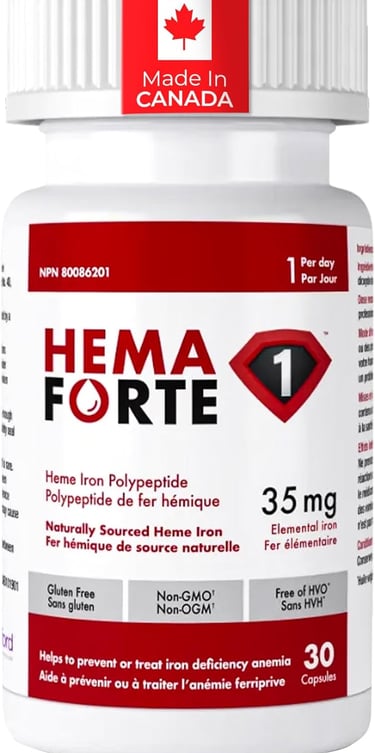
(Some links in this article are affiliate links. This allows me to support the content of this site at no additional cost to you.)